


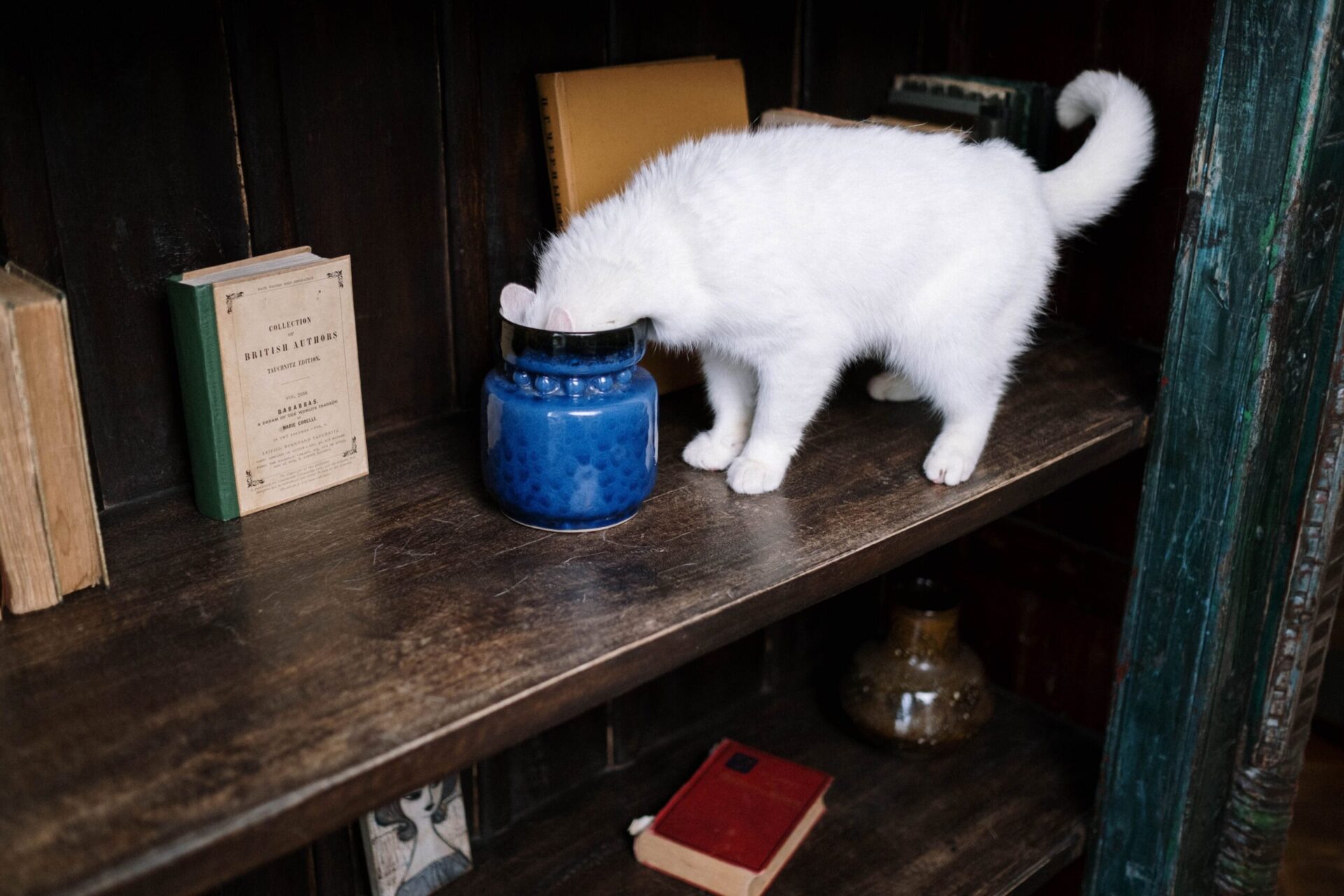
Is vinegar safe for cats? Vinegar is generally non-toxic to cats. However, calling it entirely safe oversimplifies a nuanced topic. People commonly use diluted household vinegar around cats for cleaning without causing harm. In contrast, undiluted vinegar can irritate a cat’s mouth, stomach, or skin on contact. The difference comes down to concentration, exposure amount, and application method.
No formal veterinary studies have tested vinegar ingestion in cats specifically. Therefore, general knowledge of acetic acid’s effects on animal tissue guides most recommendations. This gap matters. Claims on either extreme go further than actual evidence supports. Understanding how cats process acidic substances helps keep your home clean while ensuring pet safety.
What Makes Vinegar Risky for Cats?
Household vinegar is a diluted solution of acetic acid. It typically contains 4% to 8% acetic acid in distilled white vinegar and roughly 5% in apple cider vinegar. That concentration is mild enough for human food. However, cats are smaller and far more sensitive to acidic substances than people.
Direct contact with undiluted vinegar causes immediate irritation to a cat’s mouth, eyes, or skin. It creates redness, discomfort, or a burning sensation. Swallowing a meaningful amount can upset the stomach lining. This often triggers vomiting or excessive drooling. Furthermore, cats groom themselves constantly. Any vinegar on their fur or paws ends up ingested during cleaning.
Can Cats Drink Vinegar?
Is vinegar safe for cats to drink? Cats should not drink vinegar. In practice, most cats will not choose to drink it. They generally dislike both the sharp smell and acidic taste. Voluntary drinking remains rare, even near an open container.
Accidental exposure poses the real risk. This includes a splash during cleaning or an unattended open bucket. Cats may also walk across a freshly mopped floor and lick wet paws. A tiny drop is unlikely to cause serious harm. However, larger or repeated ingestion increases the likelihood of gastrointestinal distress.
Is Diluted Vinegar Safe for Cleaning Around Cats?
People widely use diluted vinegar as a pet-safer alternative to harsh chemical cleaners like bleach or ammonia. Mixing equal parts vinegar and water works well on countertops, hard floors, and litter boxes. The acidity breaks down alkaline salts from dried cat urine. So, is vinegar safe for cats when diluted? Yes, provided you let the surface dry completely.
Proper dilution and drying time are critical factors. Vinegar residue on a dry surface is far less concentrated than straight from the bottle. This significantly lowers the irritation risk. Allowing surfaces to dry completely reduces any lingering residue. Rinsing with clean water also prevents cats from licking residue off their paws.
Does Apple Cider Vinegar Help Cats with Fleas or Health Issues?
Online claims suggest that apple cider vinegar eliminates fleas, treats ear infections, or boosts cat health. Actual veterinary guidance does not support these claims. Leading resources like PetMD explicitly state that apple cider vinegar does not kill fleas or disrupt their life cycle. No solid veterinary evidence supports vinegar as an effective ear or skin treatment for felines.
Applying topical apple cider vinegar carries real risks. Cat skin is significantly thinner and more sensitive than human skin. Acidic exposure can cause dryness, open-sore irritation, and intense discomfort. For genuine health issues like fleas or skin infections, use vet-approved treatments formulated specifically for cats.
High-Risk Exceptions: When Vinegar Becomes Dangerous
Cats with underlying health conditions face higher risks from vinegar. Kidney disease is the clearest exception. Vinegar’s acidity interferes with the body’s acid-base balance. Cats with compromised kidney function cannot process or compensate for that metabolic shift effectively. Never give vinegar in any form to cats with known kidney issues without direct veterinary oversight.
High-concentration industrial cleaners present another critical hazard. Hardware stores sell “cleaning vinegar” that contains up to 20% acetic acid. This product is significantly more corrosive than kitchen vinegar. It causes severe chemical burns to a cat’s mouth, eyes, and digestive tract.
Household Vinegar Types Compared
| Vinegar Type | Typical Acetic Acid % | Common Household Use | Cat Safety & Toxicity Risk |
| White Distilled Vinegar | 4% – 8% | General surface cleaning, odor control | Safe when properly diluted; avoid undiluted contact |
| Apple Cider Vinegar | ~5% | Unproven home remedies, cooking | No verified health benefits; carries skin irritation risk |
| Cleaning / Industrial Vinegar | Up to 20% | Heavy-duty cleaning, weed control | Highly Corrosive — keep away from pets entirely |
Common Mistakes Pet Owners Make
- Assuming all vinegar products have the same strength: Mixing up standard kitchen white vinegar with concentrated cleaning vinegar is a dangerous error.
- Applying undiluted vinegar to skin or fur: Applying full-strength vinegar directly to a cat’s coat to repel pests skips the necessary dilution step.
- Not rinsing or drying cleaned surfaces: Leaving wet vinegar residue on floors allows paws to pick up concentrated liquid. Cats then ingest it during routine grooming.
- Using vinegar inside the litter box without rinsing: Vinegar neutralizes urine odors, but cats strongly dislike the pungent scent. Unrinsed litter boxes may cause a cat to avoid using the box.
What to Do If Your Cat Is Exposed to Vinegar
If your cat licks a small drop of diluted vinegar from a floor, monitor them for mild signs of upset. Look out for temporary drooling or lip-smacking. Offering fresh, clean water or liquid from canned cat food helps dilute acid in their stomach.
Contact your veterinarian or a pet poison control line immediately if a cat consumes undiluted vinegar or concentrated cleaning vinegar. Do the same if your cat shows persistent symptoms like repeated vomiting or lethargy. Do not attempt to induce vomiting at home. The acidic liquid causes secondary burning to the esophagus on the way back up.
Frequently Asked Questions
Is it safe to use vinegar on my cat?
No. Experts do not recommend applying vinegar directly to a cat’s skin or coat. Cat skin is thinner and more sensitive than human skin. Acidic exposure causes dryness, redness, and irritation. Additionally, cats groom constantly, so they will likely ingest topical vinegar.
What is the silent killer of cats?
Veterinarians widely refer to Chronic Kidney Disease (CKD) as the “silent killer” of cats. In early stages, the disease shows no obvious symptoms while kidney function declines. By the time noticeable signs like increased thirst appear, significant kidney damage has already occurred.
Is it safe for cats to lick vinegar?
A tiny lick of diluted vinegar residue is unlikely to cause severe harm. However, ingesting undiluted vinegar is unsafe. High acidity irritates the mouth, esophagus, and stomach lining. This causes sudden drooling, lip-smacking, or vomiting.
Can I clean my floors with vinegar if I have cats?
Yes. Diluted white vinegar (mixed 50/50 with water) is a popular pet-safer cleaning option. Keep cats out of the room while mopping. Allow the floor to dry completely before letting them back in.
Can cats tolerate the smell of vinegar?
Most cats strongly dislike the smell of vinegar. Felines have an exceptionally acute sense of smell. The pungent aroma of acetic acid overwhelms them. While not toxic, the strong scent causes temporary discomfort or sneezing.
What is the safest floor cleaner for cats?
Warm water, diluted distilled white vinegar, and certified non-toxic enzymatic floor cleaners are the safest choices. Always ensure floor cleaners are free from phenols, bleach, or harsh synthetic fragrances. Let surfaces dry fully before pet contact.
What is a good pet-friendly floor cleaner?
Plant-based, pet-safe enzymatic cleaners are excellent choices. They use natural enzymes to break down organic stains and odors biologically. They leave no hazardous chemical residues for cats to ingest through grooming.
What do vets use to clean floors?
Veterinary clinics typically use specialized disinfectants like Rescue (Accelerated Hydrogen Peroxide) or KennelSol. These formulas effectively kill pathogens and viruses without leaving toxic residues or strong fumes.
What cleaning products are safe to use in a house with cats?
Diluted white vinegar, baking soda, warm soapy water, and pet-safe enzymatic cleaners are generally safe. Always avoid cleaners containing bleach, ammonia, pine oil, or phenols. These pose severe toxicity risks to feline liver and respiratory systems.
This guide is part of our Is It Safe for Cats? guide collection — see the full guide for more.
