


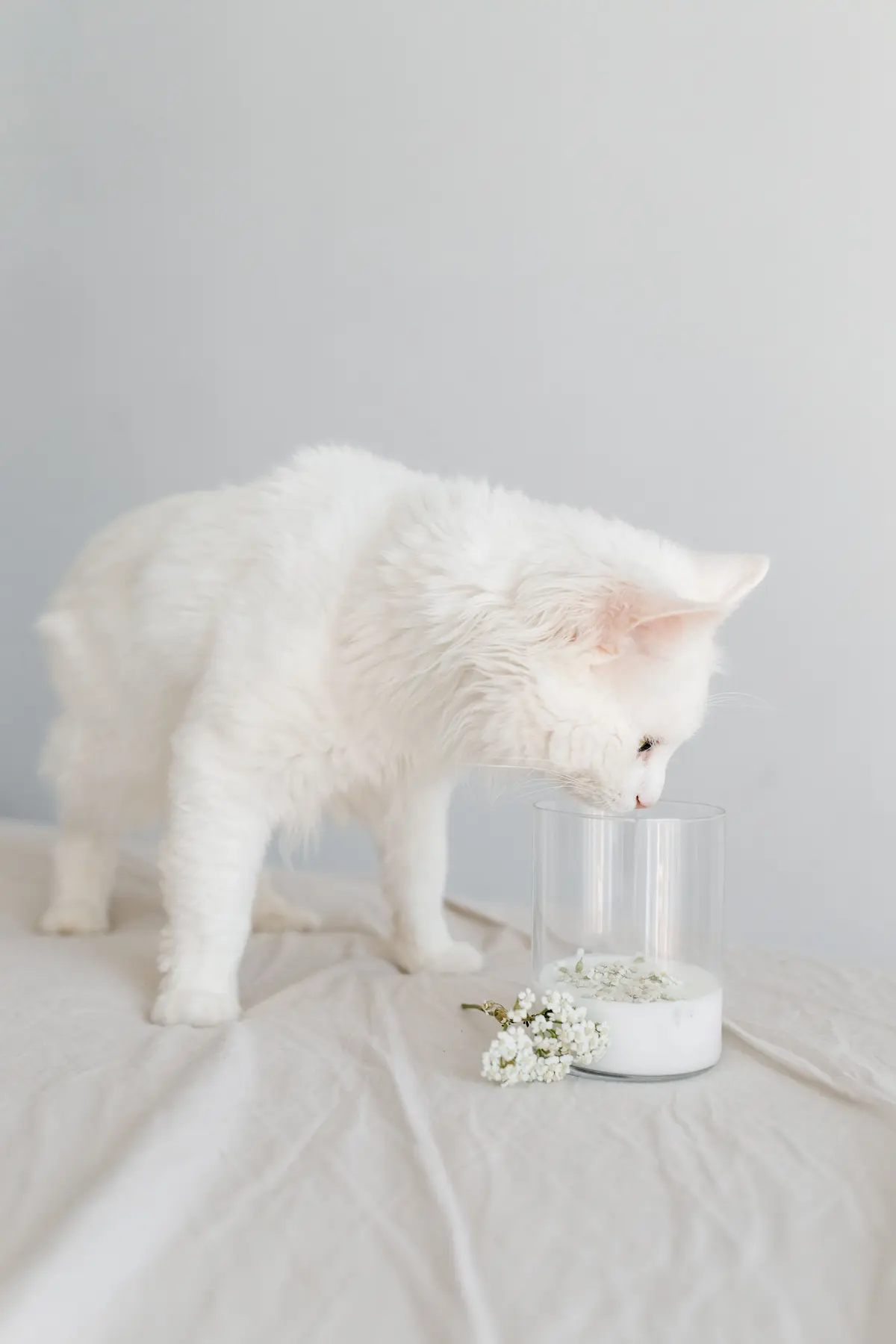
Is baking soda toxic to cats? Usually, small accidental amounts are not expected to cause poisoning, but large amounts can be dangerous. Baking soda is sodium bicarbonate, an alkaline salt. If a cat swallows too much, it can upset fluid and electrolyte balance and cause vomiting, diarrhea, lethargy, tremors, seizures, breathing problems, or other serious signs. The risk depends on the amount eaten and the cat’s size.
That distinction matters because baking soda is common in homes. It may be used for cleaning, odor control, carpets, and even some commercial cat litters. A few particles or a small lick are very different from a cat getting into an open box and eating a substantial amount.
Is Baking Soda Bad for Cats?
Baking soda is not automatically harmful to cats, but it becomes a concern when they ingest a large amount. Normal household use does not carry the same risk as deliberate or substantial ingestion.
The main issue is sodium bicarbonate itself. Large ingestions can disturb sodium and acid-base balance. Veterinary sources also warn against using baking soda as a substitute for products specifically made for cats, such as human toothpaste.
For example, a cat that briefly walks through a small amount of baking soda on a counter is in a very different situation from a cat that tears open a container and eats the powder. Small exposure generally calls for preventing further access and observing the cat. A suspected large ingestion deserves veterinary guidance.
Why Can Baking Soda Become Toxic?
Baking soda contains sodium bicarbonate, so a large swallowed amount can provide a substantial sodium load. It can also interfere with normal electrolyte and acid-base balance.
As the dose rises, the risk of clinical signs increases. Reported signs include vomiting, diarrhea, depression, lethargy, tremors, seizures, shortness of breath, and disorientation. Some signs can appear within a few hours of ingestion.
The important point is that toxicity is dose-dependent. Calling every tiny exposure poisonous gives cat owners the wrong impression. At the same time, assuming that a natural kitchen product is harmless can be risky if a cat consumes a large quantity.
What Happens If a Cat Eats Baking Soda?
A cat that swallows a small trace may show no noticeable problem. Larger ingestion can cause gastrointestinal and neurological signs as the body’s electrolyte balance changes.
Watch for:
- Vomiting
- Diarrhea
- Drooling
- Loss of appetite
- Abdominal discomfort
- Excessive thirst
- Lethargy or depression
- Unsteady movement
- Tremors
- Seizures
- Difficulty breathing
These signs can overlap with other forms of poisoning, so symptoms alone cannot tell you how much baking soda your cat consumed.
A larger cat may tolerate an amount that would be more significant for a smaller cat. Kittens and cats with existing health problems can also require a more cautious approach. When the amount is unknown, veterinary advice is the safest way to judge the exposure.
What Should You Do If Your Cat Eats Baking Soda?
First, remove the baking soda and prevent your cat from eating more. Then check the package or container so you know exactly what product was involved.
Do not try to make your cat vomit unless a veterinarian or poison-control professional specifically tells you to do so. Pet owners should seek professional guidance after potentially harmful ingestion rather than relying on home remedies.
Contact a veterinarian promptly if your cat may have eaten a large amount, the quantity is unknown, or symptoms such as repeated vomiting, weakness, tremors, seizures, or breathing problems develop.
When speaking with a veterinary professional, tell them your cat’s approximate weight, what product was eaten, how much may be missing, and roughly when the exposure happened. Keep the package nearby for reference.
Is Baking Soda Safe in a Cat Litter Box?
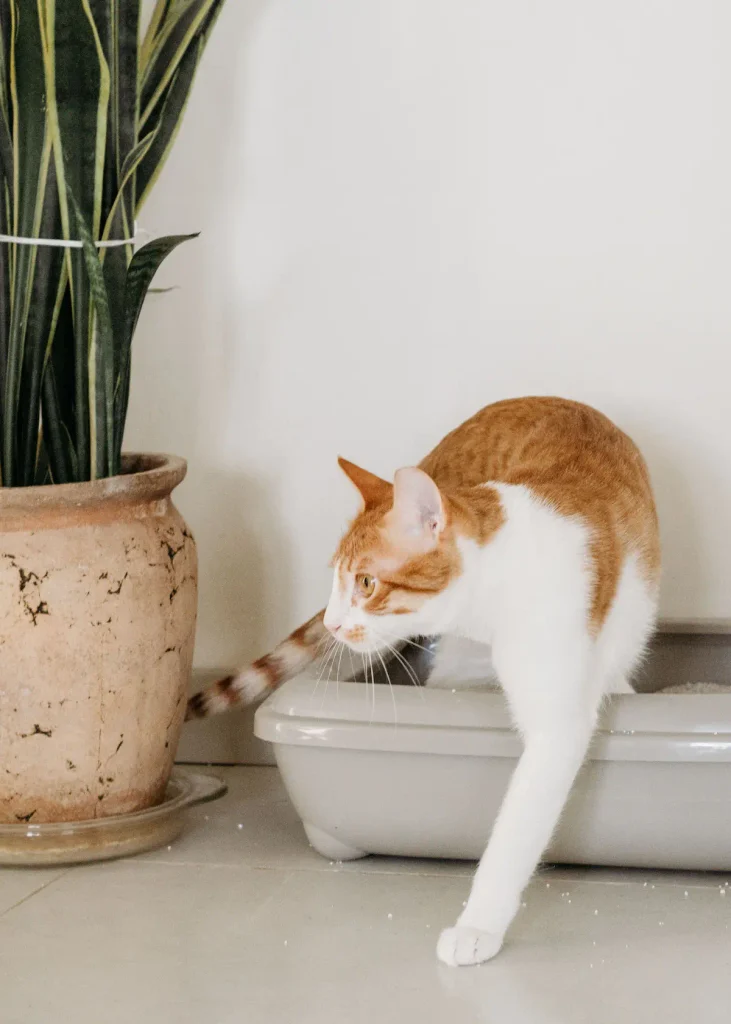
Small amounts of baking soda in cat litter are not generally considered highly toxic, but recommendations around loose baking soda vary. Some sources say a small amount can help with odor control, while others recommend avoiding loose powder because cats can ingest it during grooming or inhale dust.
The bigger practical concern is how much loose powder ends up in the box and whether your cat reacts to the dust or tries to eat it. Some commercial litters already contain baking soda in a controlled formulation, which is different from pouring a large amount of household powder into the box.
Because recommendations differ, there is no good reason to use a large quantity. Regular scooping, proper litter-box cleaning, and an appropriate unscented litter are more dependable ways to manage odor.
Why Does Baking Soda Help With Litter Box Odor?
Baking soda is often used because its alkaline chemistry can react with acidic odor compounds. That can help reduce some smells, but it does not solve every litter-box odor problem.
Ammonia is one important example. It is alkaline rather than acidic, so baking soda is not a universal solution for ammonia odor. Odor control also depends more on litter hygiene, ventilation, and regular waste removal than on adding large amounts of powder.
If the litter box still smells strongly after regular scooping, the better question is usually why odor is building up. The box may need deeper cleaning, fresher litter, better ventilation, or replacement.
Is Baking Soda Safe for Cleaning Around Cats?
Baking soda can be useful for some household cleaning jobs, but safe use means keeping the powder from becoming something your cat can eat or breathe in repeatedly.
For carpets and furniture, remove as much powder as possible after treatment. Any powder left on fur can end up in the stomach when a cat grooms itself.
Avoid leaving open containers where a curious cat can reach them. Also, don’t use baking soda as a homemade toothpaste for your cat. Swallowed baking soda can disturb the normal acid balance in the digestive tract.
Can Baking Soda Be Used on a Cat’s Fur?
Baking soda has appeared in older pet-care advice as a dry-cleaning or deodorizing powder, but it isn’t something cats need as part of routine grooming.
The biggest problem is ingestion. Anything left on the coat can end up in the stomach when a cat grooms itself.
For routine grooming, brushing and products specifically designed for cats are simpler choices.
Baking Soda vs. Baking Powder: Are They the Same?
No. Baking soda and baking powder are different products. Baking soda is sodium bicarbonate, while baking powder contains sodium bicarbonate plus other ingredients.
That distinction matters if a cat gets into a kitchen container. Don’t assume that advice about one product automatically applies to the other.
If you aren’t sure which product your cat swallowed, keep the packaging and tell your veterinarian exactly what it says. Avoid guessing about the ingredients.
What Cats Should Not Be Given as Home Remedies & Is Baking Soda Toxic to Cats
A common mistake is trying to treat a possible poisoning with something from the kitchen or medicine cabinet.
Do not give your cat baking soda as a treatment for stomach problems. Don’t use it as a homemade dental product either. Human medications and inappropriate home treatments can create additional risks for pets without proper veterinary guidance.
The same principle applies after suspected poisoning: identify the substance, stop further exposure, and get professional advice rather than experimenting with another household product.
How Can You Safely Keep Baking Soda in a Cat Household?
Store baking soda in a sealed container or closed cabinet. Keep open powder away from food bowls, grooming areas, and places where cats regularly investigate.
For litter-box odor, focus first on basics such as regular scooping, proper cleaning, ventilation, and a litter your cat accepts. Unscented litter can also help avoid odor-related litter-box problems.
If you use baking soda for household cleaning, remove visible residue before allowing your cat back into the area. This reduces the chance of paw contact, grooming exposure, and accidental ingestion.
Frequently Asked Questions
1. What happens if cats lick baking soda?
A small accidental lick of baking soda is usually much less concerning than a large ingestion. However, eating a large amount can cause vomiting, diarrhea, lethargy, tremors, seizures, breathing problems, and other serious symptoms. The amount consumed is the most important factor.
2. Can I put baking soda on carpet if I have a cat?
Yes, you can use baking soda on carpet, but keep your cat away while the powder is on the carpet and vacuum it up thoroughly afterward. This reduces the chance of your cat licking or inhaling loose powder. Avoid leaving visible baking soda where your cat can access it.
3. Is baking soda safe for cats?
Baking soda is generally low-risk in normal household use, but large amounts can be harmful if swallowed. Keep loose baking soda away from your cat’s food, sleeping areas, and places where it may be easily licked or inhaled.
4. What is the silent killer of cats?
Feline high blood pressure, also called hypertension, is often described as a “silent killer” because cats may show few obvious signs before serious damage occurs. Chronic kidney disease can also progress quietly, especially in its early stages.
5. What is the 3-3-3 rule for cats?
The 3-3-3 rule is a general guide for newly adopted cats. It describes the first 3 days, 3 weeks, and 3 months as common stages of adjustment. A cat may spend the first few days decompressing, the next few weeks settling into a routine, and the following months becoming more comfortable. Every cat adjusts at its own pace.
6. Do cats realize we aren’t cats?
There is no definitive scientific evidence showing exactly how cats mentally classify humans. Research does show that cats can recognize familiar people and distinguish human voices and other cues. So cats clearly recognize humans as familiar social companions, but we cannot say with certainty how they think about the difference between humans and cats.
This guide is part of our Is It Safe for Cats? guide collection — see the full guide for more.
