


If you’re searching for the best king kong dulce near me, the direct answer is this: look for a Peruvian bakery or specialty market that uses real manjar blanco, not a generic caramel filling, and stacks it with genuinely crisp cookie layers rather than soft, pre-softened ones. That combination of a properly made dulce de leche filling and a crunchy cookie base is what separates a memorable slice from a mediocre one.
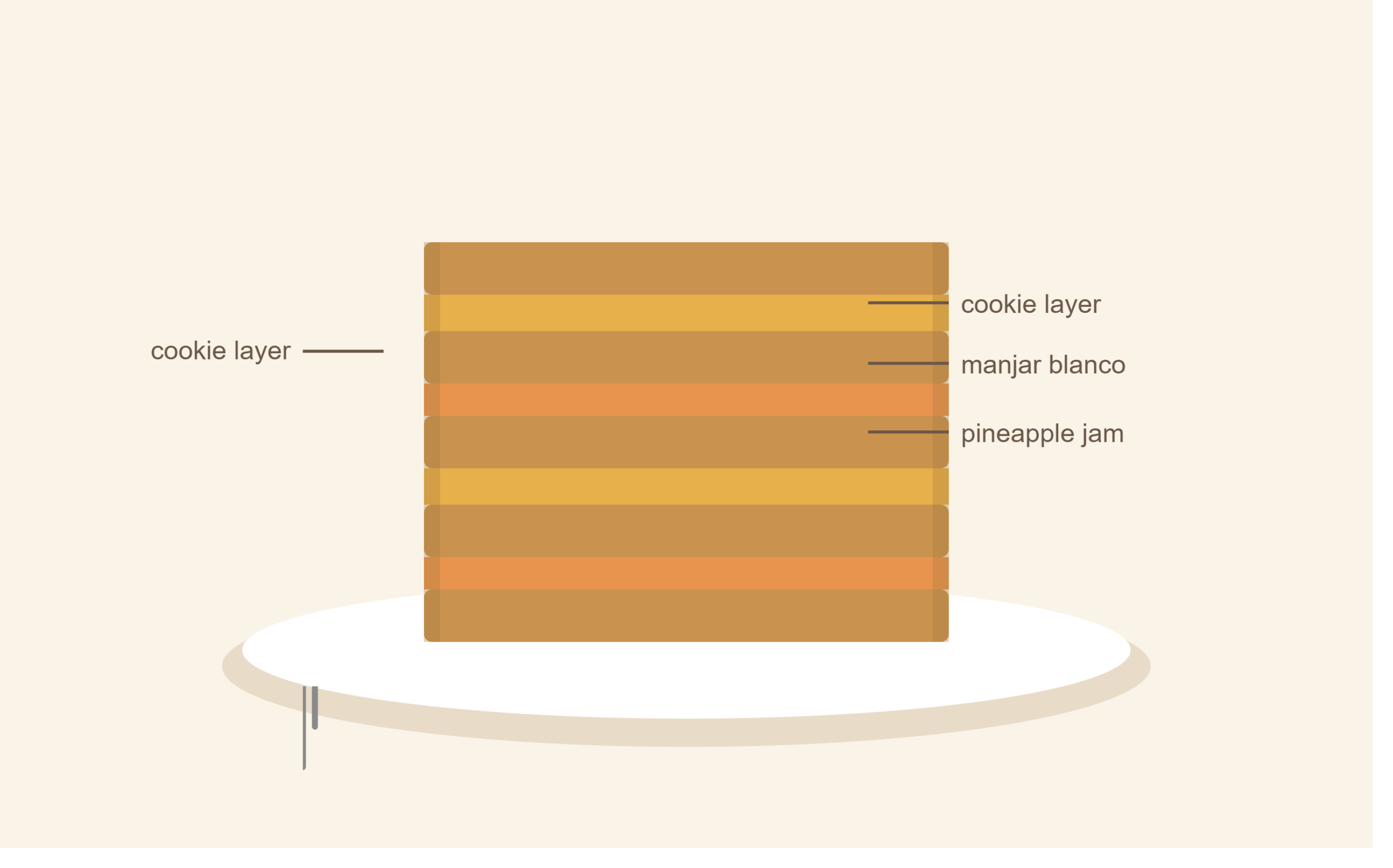
King Kong is a layered Peruvian dessert built from thin, crisp cookies stacked with manjar blanco, which is a milk based caramel spread similar to dulce de leche, and usually a layer of pineapple jam in between. It started in the northern Peruvian city of Lambayeque and eventually grew into something closer to a national symbol than a regional treat.
Where the Name Actually Comes From
The story behind the name is more specific than most people expect. A woman named Victoria Mejía de García began making and selling oversized alfajor style sweets in Lambayeque in the 1920s to support elderly people in her community. Around the same time, the 1933 King Kong movie was showing in the city, and locals started comparing her unusually large treat to the giant movie ape simply because of its size. The name stuck, and it’s been called King Kong ever since.
I mention this because it explains something that trips people up when they first look for the best king kong dulce near me. This isn’t a novelty snack invented for tourists. It’s a dessert with a real, documented origin, and the bakeries that treat it with that kind of respect tend to be the ones worth seeking out.
What Actually Makes a Good One
I picked up a slice from a small Peruvian bakery once and noticed the cookie layer had a genuine snap to it, almost like a thin butter cookie, before it softened slightly from sitting against the manjar blanco. That slight softening at the edges while staying crisp toward the center is actually a good sign, since it means the layers were assembled recently rather than sitting for days.
The manjar blanco itself should taste rich and slightly caramelized, not just sweet. If it tastes like plain sweetened condensed milk with no depth, that usually means the bakery rushed the cooking process, since real manjar blanco needs the milk and sugar to reduce slowly until it thickens and browns slightly.
Why “Near Me” Searches for This Dessert Come Up Short
Plenty of searches for the best king kong dulce near me turn up almost nothing outside major cities, and there’s a specific reason for that. King Kong is still primarily made by Peruvian and broader Latin American bakeries, and unless your area has an established Peruvian community, it’s genuinely uncommon to find one on a regular bakery menu.
When I couldn’t find one locally, calling ahead to Latin American grocery stores turned out to be more useful than searching online, since several stocked it in the refrigerated bakery case without listing it anywhere on their website. It’s also worth asking specifically for San Roque, since that’s the most widely recognized producer and many smaller Peruvian markets carry their packaged version even if they don’t make King Kong in house.
The Layers and Fillings, Explained Clearly
A traditional King Kong is built from alternating cookie layers, manjar blanco, and a pineapple jam called dulce de piña. Some versions swap in fig, quince, or peanut based fillings instead, and a few bakeries build it with as many as seven distinct layers rather than the more common three or four.
None of these variations are wrong. It genuinely depends on the region in Peru the recipe traces back to and which producer made it. If you try one version and find the pineapple layer barely noticeable, that’s a specific bakery’s ratio choice, not a flaw in the dessert itself.
Storage, Freshness, and What to Expect
King Kong doesn’t stay fresh as long as a shelf stable cookie, mainly because the manjar blanco filling is a dairy based spread. A good rule of thumb is to expect it to taste its best within about three to five days of purchase if refrigerated, and the cookie layers will noticeably soften the longer it sits.
A common example is someone buying a whole King Kong for a gathering, only using half of it, and finding the leftover portion much softer and stickier a few days later. That’s not spoilage on its own, but it is a sign the texture contrast the dessert is known for has already started fading.
Dietary and Allergy Considerations Worth Knowing
King Kong is not gluten free, since the cookie layers are made from wheat flour, and it’s not dairy free either, given how central manjar blanco is to the recipe. Versions with peanut based fillings add another allergen to watch for, so it’s worth asking specifically what filling a particular slice uses before buying it for someone with a peanut allergy.
If you’re searching for the best king kong dulce near me because you’re shopping for a group with mixed dietary needs, it helps to know that fig or pineapple only versions exist without nuts, though gluten and dairy are essentially unavoidable in a traditional recipe.
Reasonable Price Expectations
At a Peruvian bakery or specialty grocery store, a standard slice or small individual portion typically runs somewhere in the 3 to 6 dollar range, while a full sized King Kong meant for sharing can run anywhere from 15 to 30 dollars depending on size and filling. Packaged versions from producers like San Roque, sold at Latin grocery stores, tend to sit toward the lower end of that range since they’re mass produced rather than made fresh in house.
I paid around 18 dollars for a mid sized fresh baked one at a small bakery, and it noticeably outperformed a similarly priced packaged version in terms of how fresh the cookie layers tasted, mainly because the packaged one had clearly been sitting on a shelf rather than refrigerated.
How to Judge Quality Before You Buy
A few quick checks can save you from a disappointing purchase. Look at the layers through the packaging if possible, since visible, evenly distributed manjar blanco and a clearly defined pineapple layer usually indicate careful assembly rather than a rushed one.
It also helps to ask whether the bakery makes their manjar blanco in house or uses a store bought caramel spread. A bakery that makes it themselves will usually answer that question specifically and with a bit of pride, while a vaguer answer often means a shortcut was taken somewhere in the process.
Bringing It All Together
If your search for the best king kong dulce near me keeps coming up short at typical bakeries, widen your search to Latin American grocery stores and Peruvian owned restaurants, even ones without a dedicated dessert case, since many stock it seasonally or on request. Ask specifically about San Roque if you can’t find a fresh baked version nearby, since it’s the most consistent packaged option available in most cities.
The dessert genuinely earns its size and its name. A good King Kong should give you crisp cookie layers, rich manjar blanco, and a distinct pineapple contrast in every bite, not just a generic sweet filling stacked between plain crackers.
Frequently Asked Questions
What is King Kong dulce exactly?
King Kong is a traditional Peruvian layered dessert made from crisp cookies stacked with manjar blanco, a caramelized milk spread, and typically a pineapple jam layer, originating in Lambayeque, Peru in the 1920s.
Why is it called King Kong?
The name comes from comparing the dessert’s unusually large size to the giant ape from the 1933 King Kong movie, which was showing in Lambayeque around the same time the dessert’s creator, Victoria Mejía de García, began selling it.
Is King Kong dulce the same as an alfajor?
Not exactly. It’s often described as an oversized, multi layered version of a traditional alfajor cookie, but King Kong typically includes more layers and often adds a pineapple jam filling that a standard alfajor doesn’t usually have.
Does King Kong dulce contain nuts or gluten?
It contains gluten from the wheat based cookie layers in every traditional version. Nut content depends on the specific filling, since some versions include peanut based spread while pineapple or fig only versions do not.
How long does King Kong dulce stay fresh?
Refrigerated, it generally tastes best within three to five days of purchase. The cookie layers will progressively soften the longer it sits, since the manjar blanco filling gradually moistens them over time.
Where can I buy an authentic King Kong dulce?
Peruvian bakeries and Latin American grocery stores are the most reliable sources. San Roque is the most widely recognized packaged producer, and many specialty markets stock it even without listing it on their website.
